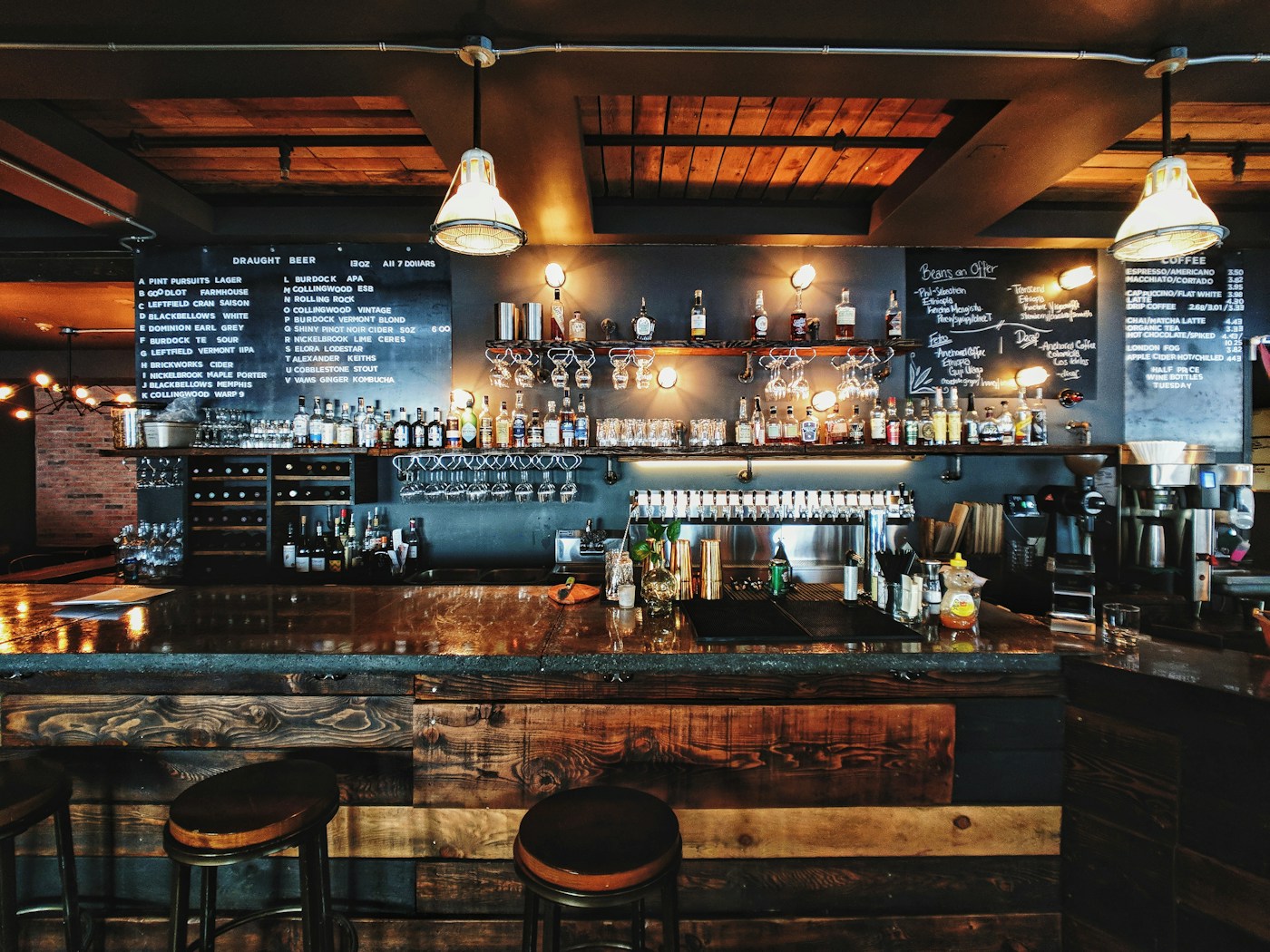
Someone looking for a local pub needs a few simple answers: are you open, what is on, can they eat, and will the place suit their group? Give them accurate answers before asking them to book.
First ten minutes: check the facts
Open your business listing as a customer would. Check the address pin, phone number, website and regular opening hours. Set special hours for holidays and unusual closures. Make sure the people who manage the listing can still access the owner account.
Next ten minutes: remove the guesswork
Add current photos of the entrance, bar, seating and food where relevant. Keep menu and booking links working. Describe practical features accurately: step-free access, food times, dogs, outdoor space or a quiet area. Avoid promising access or facilities you have not checked.
Final ten minutes: show what is happening
Put the next event on your own website with the date, time, cost and contact details. Keep the message consistent across the listing, social pages and the poster in the window. Remove an old Christmas menu or cancelled fixture rather than letting guests discover it themselves.
Ask for honest feedback
Invite customers to leave an honest review. Do not offer incentives or ask only people you expect to be positive. Reply calmly and use recurring feedback to fix something real.
Measure with care
Profile views, calls, clicks and requests for directions are useful signals, not verified visits. Ask new guests how they heard about you and count attendance consistently. Google describes local visibility in terms of relevance, distance and prominence; no tidy-up guarantees a ranking.
Further reading
Google’s own guidance: Read the source
What do you reckon? 0
Loading the conversation…
Good conversation starts with a name. Sign in to comment and join the forum.
Sign in with ChatGPT